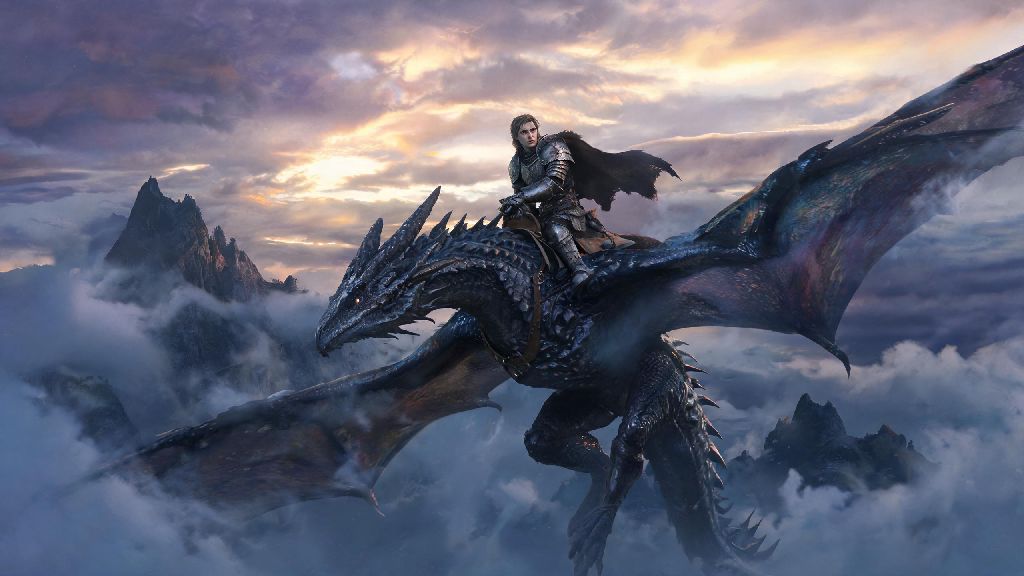
If you’ve spent any time browsing modern fantasy writing forums or experimental poetry circles, you’ve almost certainly come across mentions of the dragoon metaphor refantazio. For many new writers, it sounds like an overly complex, niche literary device reserved only for published authors with decades of experience, but that couldn’t be further from the truth. I first stumbled on this device while editing a client’s high fantasy novel last year, and it immediately stood out as one of the most flexible, evocative metaphor tools I’d encountered in years. This guide breaks down exactly what it is, how it works, and how you can use it without coming off as forced or pretentious in your own work.
What Exactly Is the Dragoon Metaphor Refantazio?
At its core, this device is an extended metaphor that frames a duty-bound, often flawed character as a dragoon – a historical mounted soldier or fantasy dragon rider – where their internal conflict is directly mirrored in their relationship to their role, their burden, and the people they have sworn to protect. It first gained traction in mid-20th century speculative fiction, but draws clear roots from medieval chivalric allegory that focused on the hidden cost of honor rather than just the glory of service.
Three core traits define the device, separating it from generic warrior or duty metaphors: It ties a character’s visible public duty to their hidden private trauma, so every external reference to their dragoon role hints at unspoken pain they carry. The “dragoon” stand-in carries a burden they cannot set down without hurting the people they protect, creating inherent dramatic tension that needs no extra exposition. The metaphor evolves as the character’s relationship to their duty shifts over the course of the narrative, so it grows with the story instead of feeling like a static, one-off comparison.
I’ve seen writers mislabel any military or warrior metaphor as this device, but it only counts if the dual nature of the dragoon (both the powerful, respected protector and the person trapped by their oath) is central to the comparison. It never focuses solely on strength or glory; it always centers the tradeoffs the character has made to hold their role.
Key Traits That Make This Metaphor Stand Out From Other Devices
Plenty of extended metaphors can add depth to your writing, but this one has unique advantages that make it a favorite for both new and experienced writers. First, It inherently carries emotional stakes without extra exposition. Most readers already associate dragoons with loyalty, long days of grueling work, hidden sacrifice, and a duty they can’t walk away from, so you don’t have to spend paragraphs explaining why your character’s burden matters.
It also works for both big, sweeping character arcs and small, intimate emotional beats. You can use it to frame an entire novel’s plot about a dragon rider choosing between their oath to a corrupt kingdom and their personal morals, or you can use it for a single scene where a burnt-out nurse feels the weight of their “armor” (scrubs) after a 12-hour shift in the ER.
That said, it’s easy to misuse if you don’t pay attention to execution. After editing dozens of drafts that used this device both well and poorly, I’ve compiled the most common mistakes to avoid:
If you steer clear of these missteps, you’ll find the device feels far more natural and less forced than most other extended metaphors you might try.
Creative Ways to Use the Dragoon Metaphor Refantazio Across Genres
You don’t have to write high fantasy to get use out of this device. I’ve seen it used effectively across every genre you can imagine, from literary memoir to young adult romance, and it works every time because it taps into a universal human experience: the quiet exhaustion of carrying a responsibility you chose, but that is slowly wearing you down. The dragoon metaphor refantazio works so well for cross-genre use because it doesn’t rely on fantasy worldbuilding to land; it relies on shared emotion.
Fantasy and speculative fiction is the most obvious use case, of course. You can have an actual dragon rider bound by a magical oath to protect a kingdom that hates and fears them, with the metaphor shifting as they choose between their oath and their own happiness. I edited a dark fantasy novella last year where the protagonist’s dragon slowly grew sick as the protagonist repressed their own trauma, a perfect physical manifestation of the metaphor’s core trait.
For contemporary literary fiction, you can frame a small town doctor who has stayed in their dying hometown for 20 years, even when all their friends left, as a dragoon. Their medical bag is their lance, their late parent’s request that they care for the town is their oath, and the burnout they feel every night is the ache of riding for days without rest. It makes their quiet, uncelebrated sacrifice feel as high-stakes as any fantasy battle.
Even poetry works perfectly with this device. I recently read a spoken word piece that framed the speaker’s struggle with chronic illness as being a dragoon to their own body, constantly fighting to keep it functional even when it feels like the mount is trying to throw them off. The metaphor turned a very specific, personal experience into something anyone who has struggled with their health could relate to.
Quick Tips to Pull Off This Metaphor Naturally, No Matter Your Skill Level
You don’t need a master’s in creative writing to use this device well. I’ve seen new writers pull it off flawlessly on their first try, as long as they follow a few simple, practical rules. The biggest mistake I see new writers make with the dragoon metaphor refantazio is treating it like a gimmick, instead of a way to amplify your character’s existing traits and emotions.
Start small, build the metaphor slowly. You don’t have to introduce the full comparison in the first paragraph your character appears. Drop a small, subtle reference early on – maybe mention they carry their work bag like it’s a lance, or they feel like they’re carrying a saddle’s weight on their shoulders after a long day – then add more details as the story progresses and the reader gets to know the character better. This makes the metaphor feel like a natural part of their personality, not something you tacked on for extra depth.
Tie every reference to a specific plot or character beat. If you mention the character’s “oath”, make sure you show what that oath is, what it costs them, and what would happen if they break it. Don’t just leave it as a vague reference to duty; ground it in real, tangible stakes that the reader can see play out on the page. For example, if your character is a single mom framed as a dragoon, their oath might be to give their kid a better childhood than they had, and breaking it would mean letting their kid grow up feeling unsupported and unloved.
Let the metaphor grow with your character. If your character decides to leave their draining job to prioritize their mental health, the metaphor can shift too – maybe they hang up their “armor” (their work uniform) and let their “mount” (the duty they’ve been carrying for years) run free for a while. If they take on a new, more fulfilling responsibility, the metaphor can adjust to fit that new role, instead of being abandoned entirely.
If you’re worried the metaphor is too on the nose, ask a beta reader to read your draft and tell you if they noticed it, and if it felt natural. If they say it felt forced, cut back on the references until it feels more subtle, and only keep the beats that tie directly to your character’s arc.
At the end of the day, the dragoon metaphor refantazio is just a tool to help you make your characters' internal feelings feel more tangible and relatable to your readers. You don’t have to follow every “rule” you read about it, and you can twist it to fit whatever story you’re trying to tell. I’ve seen writers use it for everything from short horror stories to personal essays about grief, and it works every single time when it’s rooted in real, honest emotion. Next time you’re stuck trying to show a character's quiet burden instead of telling readers about it, give this device a try – you might be surprised at how much depth it adds to your work.