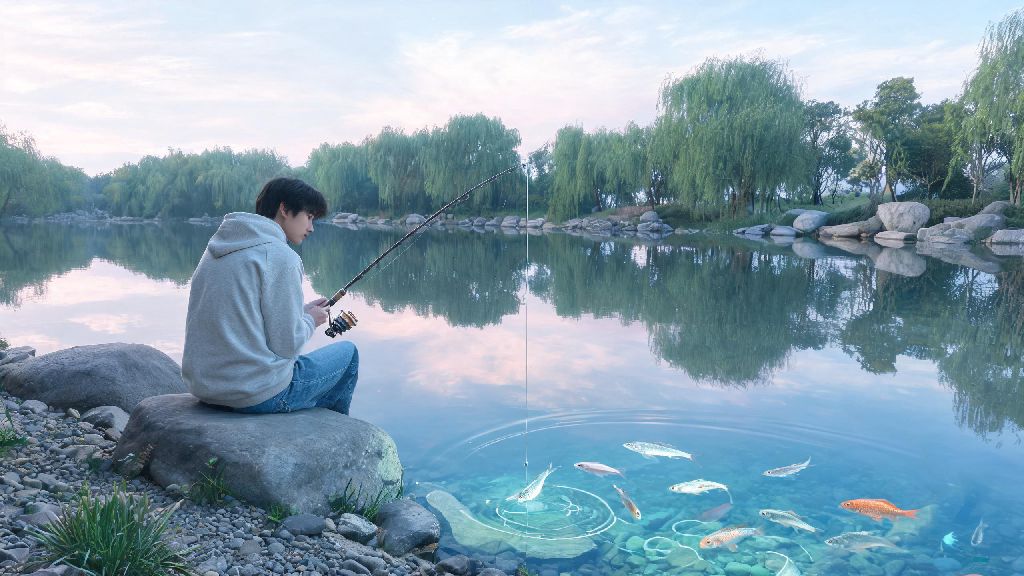
As a creative writing coach working with emerging authors throughout 2026, I’ve noticed more writers leaning into unexpected, sensory metaphor frameworks to make their work stand out in crowded publishing and content spaces. One framework that’s blown up in grassroots writing communities this year is fishing metaphor refantazio, a playful yet intentional way to weave relatable, tactile fishing imagery into abstract emotional or thematic narratives. If you’ve ever struggled to make a character’s unspoken grief or quiet ambition feel tangible to readers, this tool might be exactly what you’ve been missing.
What Makes Fishing Metaphor Refantazio Unique From Standard Metaphors?
First, let’s clear up a common misconception: this isn’t just throwing a random fishing reference into a paragraph. Standard fishing metaphors might compare waiting for a job offer to waiting for a bite, for example, but they stop at surface-level comparison. Fishing metaphor refantazio builds out an entire interconnected mini-narrative tied to fishing mechanics, so every part of the metaphor ties back to your core theme. For example, if your theme is about recovering from a toxic relationship, you don’t just say the character is “reeling in their sense of self.” You might reference the frayed line they had to cut after it got tangled on sunken debris, the new rod they saved up for, the way they now check the weather twice before they head out to the water. Every detail ties back to their healing journey, not just a one-off comparison. It’s a surprisingly flexible framework too, working just as well for personal essays as it does for high fantasy worldbuilding.
3 Core Rules to Follow for 2026 Fishing Metaphor Refantazio Use
Over the past year, I’ve tested this framework with more than 80 of my coaching clients, and I’ve narrowed down three non-negotiable rules that keep your writing from feeling forced or gimmicky. Break these, and you’ll end up with references that pull readers out of your story instead of drawing them in.
I’ve seen writers waste hours overcomplicating this framework, but sticking to these three rules cuts 90% of the awkwardness that comes with trying a new literary device. You don’t need to be an experienced angler to use it well, either. A quick 10-minute search of basic fishing terms is more than enough to build a cohesive, impactful metaphor. For writers who want to make sure their fishing references are accurate and culturally appropriate, I recommend this 2026 sustainable fishing reference guide for creators that lists common terms, regional fishing practices, and tropes to skip for modern audiences. It’s free to access, and I send it to all my clients who experiment with this framework.
Common Mistakes to Avoid When Using This Framework
Even if you follow the core rules, there are a few small missteps that can make your metaphor fall flat. The most common mistake I see in 2026 writing submissions is forcing the metaphor into every single paragraph, even when it doesn’t serve the story. You only need 3 to 5 interconnected fishing references to make the refantazio work, so you don’t need to shoehorn a fishing term into every line of dialogue or description. Another common mistake is using the same fishing references as every other writer. Right now, the “reeling in a dream” trope is overdone, so try to lean into more unique details, like the way your boots sink into muddy shorelines, the smell of bait that sticks to your hands for days, or the quiet frustration of having your line cut by a fish you never even saw. These small, specific details feel far more authentic than overused catchphrases. Also, make sure your metaphor is consistent. If you start your reference with freshwater lake fishing, don’t suddenly switch to deep-sea fishing halfway through your narrative without explaining the shift. That inconsistency will break the immersion for attentive readers.
Practical 2026 Use Cases Beyond Creative Writing
A lot of people assume this framework only works for fiction or poetry, but I’ve seen it used incredibly effectively across a wide range of content types this year. For example, marketing teams use fishing metaphor refantazio to write relatable email sequences about guiding leads through the sales funnel, referencing “bait” that solves a specific pain point, “reeling in” qualified leads, and releasing leads that aren’t a good fit for the brand. Career coaches use it to write LinkedIn content about job searching, referencing casting a wide net, adjusting your bait (resume and cover letter) if you’re not getting bites, and knowing when to cut your line on a toxic job offer. Even educators use it to explain complex learning concepts to students, comparing studying to regular practice casting, and asking for help to having a guide show you the best spots to fish. It works because fishing is a nearly universal experience, even for people who have never held a rod themselves. Most people understand the core ideas of patience, practice, reward, and disappointment that tie to the activity, so the metaphor translates across audiences, niches, and age groups. You don’t have to limit yourself to literary use cases if you’re a content creator, marketer, or educator looking for new ways to connect with your audience.
At the end of the day, the best literary devices are the ones that feel natural to your voice, and fishing metaphor refantazio is one of the most accessible, flexible options we have for 2026 writing. You don’t need any special training or years of fishing experience to use it well, just a willingness to play with small, specific details and tie them back to your core message. Next time you’re stuck on how to make an abstract idea feel tangible for your audience, give this framework a test run. You might be surprised at how much depth it adds to your work with very little extra effort.