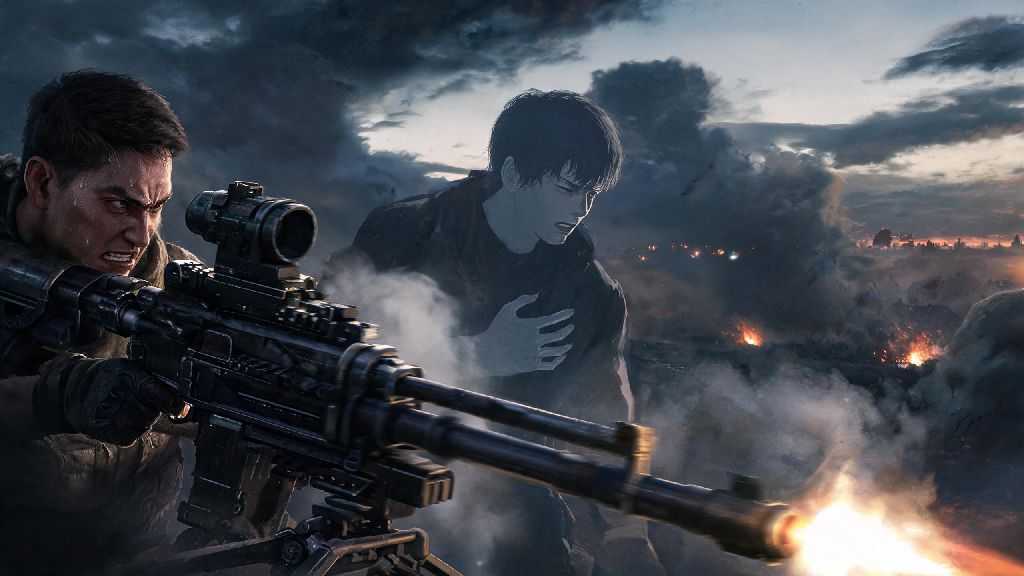
If you’ve scrolled writing TikTok or flipped through 2026 literary journals lately, you’ve almost certainly seen references to gunner metaphor refantazio popping up in everything from speculative fiction to personal essays. What started as a niche device shared in small indie writing circles three years ago has exploded into one of the most popular ways to add layered, high-stakes tension to character arcs. A lot of guides skim over the nuance of using it well, though, leading to overuse and even harmful misinterpretations of the real experiences it draws from.
Core Principles of Gunner Metaphor Refantazio for 2026 Writers
At its core, this device draws direct parallels between the split-second, high-consequence decisions a trained gunner makes and the internal or external conflicts your protagonist faces. It’s not just a throwaway line comparing a character’s focus to someone holding a gun; it’s a sustained, aligned metaphor that tracks every beat of the gunner’s experience against your character’s journey. To pull it off well, you need to stick to three non-negotiable pillars that separate thoughtful use from cheap trend-chasing:
You don’t have to spell out the metaphor for your readers, either. If you align the beats correctly, they’ll pick up on the tension without you explicitly stating you’re using gunner metaphor refantazio. Many 2026 bestsellers use it so subtly that most casual readers don’t even notice the device is there, they just feel the heightened tension of the scene.
Common Mistakes That Make This Device Fall Flat in 2026 Works
As with any trending literary device, plenty of writers are jumping to use gunner metaphor refantazio without putting in the work to make it feel authentic, leading to tired, even offensive uses that turn readers off. The most common mistake is stake misalignment, where you pair a low-stakes character choice with the extreme risk of a gunner’s life-or-death shot. For example, comparing a teen deciding what to wear to prom to a gunner taking a 1000-yard shot feels disingenuous and trivializes the real weight of the experiences the metaphor draws from.
Another frequent misstep is leaning into harmful, one-dimensional stereotypes of gunners as hyper-aggressive, unfeeling people who only care about hitting their target. Real gunners, particularly veterans, often talk at length about the patience, responsibility, and deep regret that comes with the role, and ignoring that nuance makes your metaphor feel flat and disrespectful. If you don’t have personal experience with gunnery roles, the 2026 Veteran Arts Collective oral history archive is a free, well-vetted resource to get firsthand accounts that add real depth to your work.
Finally, don’t overextend the metaphor to fit every beat of your story. If you find yourself stretching to compare a character’s morning coffee run to a gunner prepping for a mission, you’re better off cutting the thread entirely. It’s far better to use the device for one high-stakes scene than to force it through an entire 80,000 word novel.
2026 Examples of Gunner Metaphor Refantazio Done Right
It’s easier to understand how to use this device well when you see it implemented thoughtfully, and 2026 has already produced some standout examples across multiple genres. The bestselling literary novel Shoreline Watch uses the metaphor to frame the story of a climate scientist deciding whether to deploy a flood barrier that will save 200 coastal homes but destroy a critical endangered wetland habitat. The author weaves in details of the 72 hours she spends monitoring tides, running models, and debating her choice to mirror the experience of a coast guard gunner waiting to intercept a smuggling boat that might carry innocent civilian passengers.
Another standout example is the viral short story Trigger Discipline, published in the 2026 summer issue of Indie Fiction Review, that follows a middle school teacher deciding whether to report a student who made a vague violent joke in class. The teacher knows the school’s zero-tolerance policy will get the student expelled and added to a police database even if he had no intent to harm anyone, and the metaphor of trigger discipline (knowing when not to pull the trigger even if you’re trained to react) is woven so naturally into the story that it feels like a core part of the character’s thought process, not an added device.
Both examples work because they don’t trivialize the gunner experience, and the stakes of the character’s choices match the weight of the metaphor perfectly. They also don’t call attention to the device itself, letting readers feel the tension instead of telling them they’re reading a trendy new metaphor.
Actionable Tips to Start Using This Device in Your 2026 Writing
You don’t have to be a bestselling author to use gunner metaphor refantazio well, as long as you follow a few simple steps to make your use feel intentional and respectful. First, start small: don’t try to weave the metaphor through an entire novel on your first try. Test it out in a single 1000-word short story scene where your character faces a high-stakes, binary choice with clear positive and negative outcomes for other people, not just themselves.
Second, prioritize accuracy over flash. If you don’t have personal experience with gunnery roles, take 30 minutes to browse the veteran oral history archive we mentioned earlier, or reach out to a veteran in your network to ask about their experiences if they’re comfortable sharing. Small, accurate sensory details will make your metaphor feel far more real than any dramatic, over-the-top line you pull from an action movie.
Finally, test your work with a beta reader who doesn’t know you’re using the device. Ask them what stands out most about the scene, and if they mention the heightened tension or clear moral conflict without you pointing out the metaphor, you’ve pulled it off. If they say the comparison feels forced or out of place, don’t be afraid to cut it and try again with a different scene that aligns better with the metaphor’s core stakes.
As 2026 literary trends shift toward more empathetic, grounded devices that draw from real human experience, gunner metaphor refantazio stands out as a powerful way to add layered tension and moral nuance to your work, as long as you use it with care. It’s not just a passing trend to throw into your writing for clicks; it’s a device that honors the real experiences of people in high-stakes roles while making your character’s internal conflicts feel more relatable to readers. Take the time to get the details right, align your stakes properly, and you’ll be able to use it to create scenes that stick with your readers long after they finish your work.