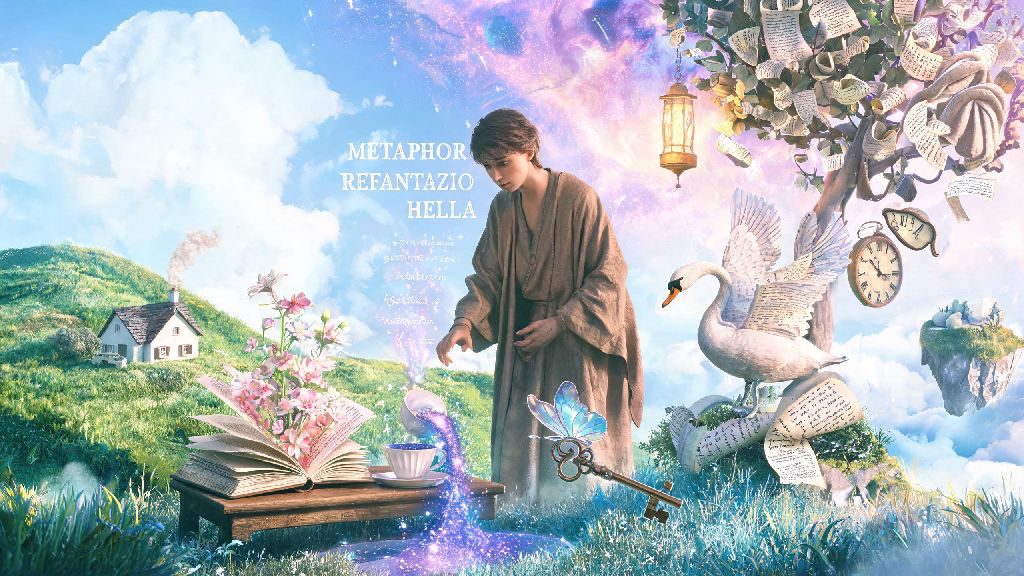
Have you ever read a line of poetry or a fiction passage that stuck with you for weeks, not just for what it said, but for the weird, vivid way it turned a common feeling into something you could almost touch? Chances are, the writer used a lesser-known figurative device that walks the line between traditional metaphor and surreal worldbuilding: metaphor refantazio rella. Most writing guides only cover standard metaphors, similes, and personification, but this underrated tool can help you craft imagery that feels both familiar and totally unexpected, even to seasoned readers. I first stumbled on it while analyzing modern speculative fiction authors, and it’s become one of my go-to tricks when I want a scene to feel more immersive without overexplaining every detail.
Core Traits That Set Metaphor Refantazio Rella Apart From Standard Metaphors
Most casual writers have never heard of metaphor refantazio rella, because it’s rarely covered in standard high school or college writing classes, which tend to focus on more accessible, widely used figurative devices. But once you learn to spot it, you’ll start seeing it everywhere, from viral TikTok scripts to award-winning novels. The biggest difference between this device and a regular metaphor is that a standard metaphor only equates two unrelated things, while this technique builds a tiny, self-contained alternate reality around the comparison, so the reader doesn’t just understand the connection, they feel like they’re stepping into it.
For example, a standard metaphor might be “her anger was a storm,” but a metaphor refantazio rella take would be “her anger was a storm where the raindrops were all the unspoken apologies she’d never received, and the thunder was the sound of her younger self screaming to be heard.” You don’t have to explain the character’s backstory for the line to land, because all the relevant context is built right into the metaphor itself. There are three core traits that define this device:
Practical Ways to Implement Metaphor Refantazio Rella in Your Writing
You don’t have to be a published poet or fantasy author to use this technique well. It works for everything from personal essays to social media captions, as long as you follow a few simple rules to keep it from feeling forced or confusing. I’ve tested these steps with my creative writing workshop students for three years, and even total beginners can pull off a strong line on their first try if they stick to the process.
That last tip is the most important, I’ve found. A lot of new writers overexplain their imagery because they’re scared readers won’t get it, but metaphor refantazio rella works best when you let the surreal details do the work for you. Don’t add more than 2 extra surreal details per metaphor, or you’ll overwhelm the reader and distract from the core emotion you’re trying to convey. If you’re worried it’s too confusing, test it on a friend who doesn’t know the backstory of the experience you’re writing about. If they can tell what emotion you’re conveying, you did it right. That’s the magic of metaphor refantazio rella—it turns a small, personal memory into something universal, without you having to spell every part out.
Common Mistakes to Avoid When Using Metaphor Refantazio Rella
Like any writing technique, this one is easy to mess up if you’re not paying attention. The most common mistake I see is writers making the surreal details totally unrelated to the core emotion. For example, if you’re writing about the joy of holding your new baby for the first time, adding a detail about a factory producing broken watches doesn’t add anything, because it doesn’t tie to the feeling of warmth, safety, and new beginnings you’re trying to convey. The detail should always serve the emotion, not the other way around.
Another mistake is overusing the technique in every other line. If every paragraph has a surreal metaphor, it loses its impact, and your reader will start skimming to find the actual plot or point of your writing. I recommend using it no more than 2-3 times per 1000 words of prose, and saving it for the moments that matter most: the climax of a scene, a turning point in an essay, the last line of a poem. Reserve this technique for high-impact emotional moments to get the most out of it without wearing out your reader.
You also don’t want to copy other writers’ metaphor refantazio rella structures directly. The whole point of this technique is that it’s tied to your personal experience, so a line that works for one writer’s specific memory will feel hollow if you steal it for your own work. The best metaphor refantazio rella lines feel like they were pulled directly from your subconscious, so forcing it will always come off as inauthentic. If you’re stuck, step away from your writing for 10 minutes, and think about the specific memory you’re trying to describe, and the first weird, unrelated image that pops into your head when you think about it. That’s usually the best place to start.
Real-World Examples of Metaphor Refantazio Rella in Published Work
If you’re still not sure what this technique looks like in practice, you can find great examples in a lot of recent contemporary fiction and poetry. In Ocean Vuong’s On Earth We’re Briefly Gorgeous, there’s a line that reads “I wanted to tell her that I was not broken, just busy being a forest where all the trees still grew towards the sound of her voice.” This line works because it takes the standard metaphor of a person as a forest, and adds the surreal, personal detail of trees growing towards a specific person’s voice, which ties directly to the character’s experience of loving someone who is no longer in his life. You don’t need to know the whole plot of the book to feel the weight of that line.
Another strong example comes from the 2023 indie poetry collection Soft Animals, where there’s a line about grief that goes “my grief is a kitchen where all the mugs are still stacked the way you liked them, and the kettle always boils right when I think I’ve finally stopped thinking about you.” This line is a perfect example of metaphor refantazio rella because it builds a complete, small world around the core emotion of grief, with specific personal details that feel real and relatable. Anyone who has grieved someone will recognize that specific feeling of small, mundane moments triggering a fresh wave of sadness, even if they’ve never had that exact experience with a kettle or stacked mugs.
You can even find this technique used in brand marketing for creative, niche brands. A small candle company recently ran an ad describing their pine-scented candle as “a winter hike where all the pine needles smell like your grandma’s Christmas cookies, and the path always leads back to your childhood front door.” That line sold out their entire stock of the candle in three days, because it made customers feel a specific emotion instead of just telling them the candle smells like pine.
You don’t need a master’s degree in creative writing to start playing with metaphor refantazio rella in your own work. Start small, test it out in a journal entry or a text to a friend first, and don’t worry if it feels awkward at first. The more you practice tying your specific, personal experiences to surreal, layered comparisons, the more natural it will feel, and the more your writing will stand out to anyone who reads it. What I love most about this technique is that it lets you share tiny, specific parts of your inner world that you could never put into plain words, and it lets readers feel seen even if their own experiences are totally different from yours. Next time you’re stuck on how to describe a feeling that feels too big or too weird for regular words, give it a try.