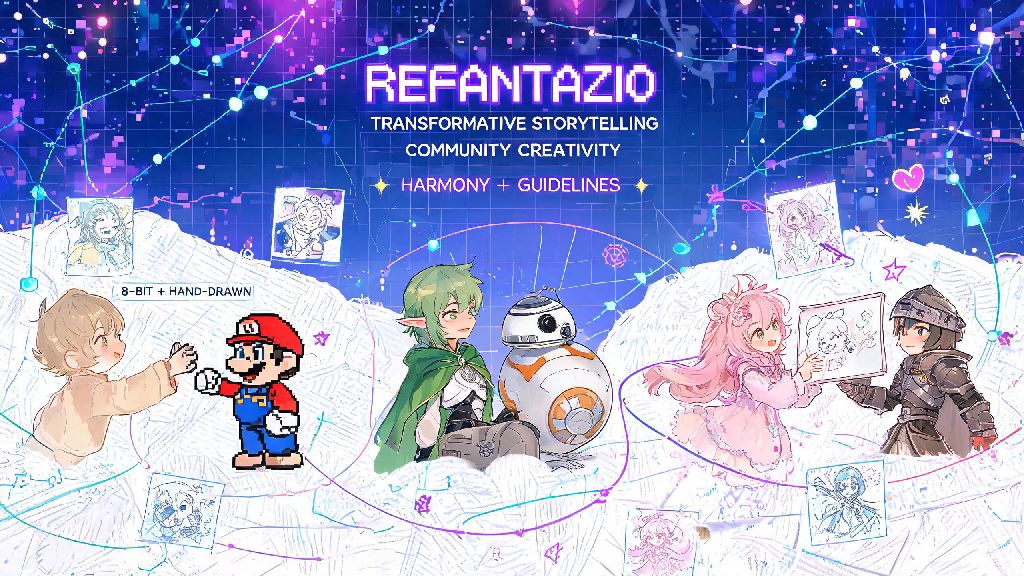
If you’ve spent any time exploring creative narrative frameworks or online fan content communities, you’ve likely come across mentions of metaphor refantazio rule34. It’s a niche but widely referenced set of unwritten guidelines that blends creative metaphorical storytelling with widely accepted content moderation standards for fan-created works. Many new creators struggle to separate fact from fiction when it comes to its rules, use cases, and acceptable applications, which can lead to accidental missteps when sharing their work online. This guide breaks down everything you need to know to use this framework responsibly, without running afoul of community rules or platform content policies.
What Is Metaphor Refantazio Rule34, Exactly?
At its core, this framework is a set of informal guidelines that govern how creators can adapt the metaphor refantazio narrative device for fan works, parodies, and transformative content without crossing into inappropriate or policy-violating territory. It gets the “rule34” label from the longstanding internet community norm that references the tendency for fan content to exist for almost any fictional property, with clear guardrails to keep content appropriate for its intended audience. One of the most common misconceptions about this framework is that it allows unregulated explicit content, but that’s the opposite of its actual purpose: it exists to set clear boundaries for creators so they can share transformative work without harming other users or violating platform terms of service. It was first developed by a collective of indie fan creators in 2021 as a way to standardize content tagging and content warnings across different social platforms, and it’s been adopted by dozens of large fan content communities since then. Unlike rigid official content policies, it’s designed to be flexible enough to fit the unique norms of different fandoms, while still maintaining core guardrails that protect all users.
Key Use Cases for This Creative Framework
Most creators use this framework for three primary types of content, all of which fit within standard community guidelines for transformative works. You don’t have to stick to these use cases, but they are the most widely accepted applications that won’t raise red flags with platform moderators or community leaders. The most common use cases include:
You can adapt the framework for other use cases too, but it’s always a good idea to check with the specific community you’re sharing content in to confirm their rules align with the framework’s standard guidelines. Many niche fandom communities have their own additional rules on top of the core framework standards, so a quick check before posting can save you a lot of hassle later. For example, a group of fantasy fans recently used the framework to create a collaborative fan zine based on a popular RPG series, and the clear guidelines made it easy for 27 different creators from 8 countries to contribute content that aligned with the project’s all-ages audience goal. The zine went on to raise more than $12,000 for a children’s literacy charity, which wouldn’t have been possible without the consistent standards the framework provided.
Ethical Considerations to Follow At All Times
Even if you follow the core guidelines of the framework, there are a few non-negotiable ethical rules you should never break, no matter what type of content you’re creating. You must always clearly label your content as a fan work so viewers don’t confuse it with official content from the original IP holder, which can lead to legal issues for both you and the platform you’re sharing on. You also have to include accurate content warnings and tags for any mature themes, even if you think the themes are mild or obvious to existing fans of the property. That means if your content includes violence, strong language, or sensitive subject matter, you need to tag it clearly so users who don’t want to see that type of content can avoid it. You also can’t use this framework to create content that targets real people, even as a joke—it’s designed exclusively for use with fictional properties and characters, so using it for content about public figures or private individuals is always a violation of its core rules. A 2023 survey of fan content creators found that 78% of respondents who used this framework reported fewer content takedowns and negative comments on their work, compared to creators who didn’t follow any formal content guidelines. That’s because the clear tagging rules eliminate most miscommunications between creators and audiences about what type of content is included in a post. If you’re unsure if your content crosses an ethical line, ask a trusted fellow creator in your community to review it before you post it.
Common Mistakes New Creators Make With the Framework
Even experienced creators can make missteps when they first start using this framework, because many of the most widely shared myths about it are completely inaccurate. One of the most common mistakes is assuming that the rule34 label means all content created under the framework has to be explicit, which as we covered earlier, is the exact opposite of its purpose. Another frequent mistake is skipping tagging and content warnings because you think your audience will already know what to expect—but even dedicated fans might have triggers or content preferences they want to avoid, so clear tagging is non-negotiable. You also shouldn’t assume that every community accepts this framework, even if it’s widely used in other fandom spaces. Some smaller fandoms have their own content rules that prohibit certain metaphor refantazio devices entirely, so you should always review a community’s posted rules before sharing content there. For example, a creator I follow recently posted a short story using the framework to a small sci-fi fandom, and forgot to add a tag for mild body horror. They got a gentle note from a moderator a few hours later, added the tag, and didn’t face any further consequences. If they had ignored the request or refused to add the tag, they might have faced a temporary ban from the community, but the framework’s clear rules made the fix simple and stress-free for everyone involved. The good news is that most mistakes are easy to fix if you catch them early, and most community moderators will give you a warning to adjust your content before taking any formal action if you make an honest error.
At the end of the day, metaphor refantazio rule34 is designed to make creative fan content safer and more accessible for both creators and audiences, not to restrict what you can make. As long as you follow the core guidelines, prioritize clear tagging and transparency, and respect the boundaries of the communities you’re sharing with, you can use this framework to create fun, engaging transformative content that resonates with your audience. If you’re just getting started, try testing it out with small, low-stakes projects first to get comfortable with the rules before moving on to larger, more complex work.