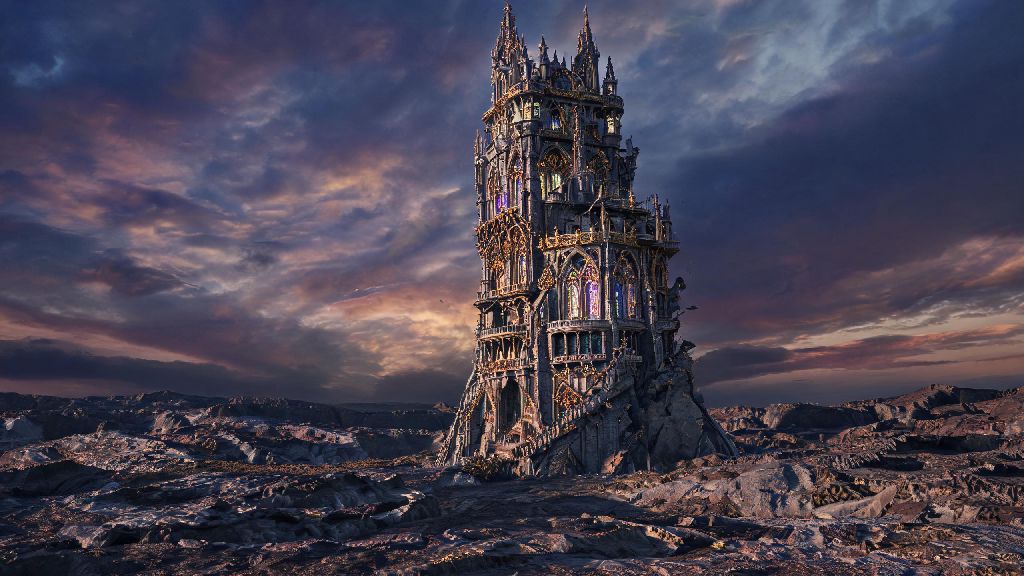
If you’ve spent any time digging into modern symbolic writing or Refantazio media analysis, you’ve likely come across the metaphor Refantazio Tower of Insolence. It’s one of the most evocative, layered devices in the Refantazio canon, and it’s far more than a throwaway reference for niche fans. Writers, educators, and even brand storytellers are adopting it to communicate complex ideas about pride, isolation, and self-delusion in ways that feel instantly relatable to audiences across genres. You don’t have to be a literary scholar to understand its power, or to use it effectively in your own work.
What the Metaphor Refantazio Tower of Insolence Actually Means
I first came across this metaphor when I was analyzing Refantazio fan writing for a small literary zine a few years back, and I was shocked at how versatile it was even outside of fantasy contexts. It originates from the core Refantazio folk narrative, where a petty, overly proud king orders the construction of a towering stone structure to prove he is superior to all his subjects and even the gods themselves. He isolates himself at the top of the tower, refuses to take feedback from his builders or advisors, and eventually dies when the structurally unsound building collapses during a minor storm.
The metaphor works because it turns abstract negative traits into tangible, easy to visualize concepts. Pride becomes a physical structure you build with your own choices, isolation becomes a self-imposed prison you can’t escape easily, and willful ignorance becomes a structural flaw that will eventually bring the whole thing crashing down. It doesn’t require prior knowledge of the Refantazio universe to understand, either—most people grasp the core meaning within seconds of hearing it explained.
That accessibility is part of why it’s become so popular in recent years, popping up everywhere from personal essays to corporate leadership training materials. It’s a simple, memorable way to talk about the dangers of letting your ego get in the way of good judgement.
Key Symbolic Layers You Might Have Missed
Most casual interpretations only scratch the surface of what this metaphor can do. The original folk tale is packed with small, intentional details that add extra depth to the metaphor, if you know where to look for them. Many people skip these details when they use the metaphor, but leaning into them can make your writing far more impactful.
The three most overlooked symbolic components of the tower are:
These small details turn a simple metaphor for pride into a nuanced commentary on power and responsibility. For example, if you’re writing about a CEO who ran their company into the ground by ignoring employee feedback, you can reference the one-way windows to explain how their position of power cut them off from reality. It adds a layer of specificity that generic “pride comes before a fall” commentary can’t match.
You don’t have to reference all of these layers every time you use the metaphor, of course. Even just picking one can make your point feel far more intentional and well thought out.
Practical Ways to Use This Metaphor in Your Own Writing
You don’t have to write fantasy or literary fiction to get value out of this metaphor. It works across almost every genre and format, as long as you tie it to relatable, specific experiences. I’ve used it successfully in everything from personal blog posts to client marketing copy, and it almost always gets positive feedback from readers.
If you’re writing a personal essay, you can use it to describe a time you refused to take feedback from friends or coworkers and ended up making a preventable mistake. Comparing that period of stubbornness to being trapped at the top of the Tower of Insolence makes your story feel more relatable, and it gives you a simple way to frame the lesson you learned. If you’re writing brand content for a mental health platform, you can use it to explain how toxic perfectionism can isolate people from their support systems, leading to burnout.
The best uses of this metaphor tie back to the core themes of avoidant behavior and misplaced pride, so you don’t have to reference the original Refantazio text for audiences to understand the meaning. That said, if you’re writing for an audience that is familiar with Refantazio, leaning into the smaller symbolic details we covered earlier will make your work feel more targeted and thoughtful.
Just don’t overuse it. Like any powerful literary device, it loses its impact if you throw it into every piece you write. Save it for moments where you need to make a strong, memorable point about pride or self-imposed isolation, and it will work far better.
Common Misinterpretations to Avoid
As this metaphor has grown more popular, I’ve seen a lot of people use it incorrectly, which can confuse readers or even send the opposite message of what you intend. These misinterpretations are easy to avoid once you know what to look for, so it’s worth taking a minute to learn them before you use the metaphor in your own work.
The most common mistake is using the metaphor to describe hard-earned, ethical success. A lot of new fans see the king building a huge tower and assume it’s a metaphor for achieving big goals, but that misses the entire context of how he built it and why it fell. You don’t want to use this metaphor to describe a well-earned promotion or a successful creative project, because it carries an inherent connotation of eventual collapse. It’s a metaphor for misdirected ambition, not ambition itself.
Another common misinterpretation is assuming the “insolence” in the name is only directed at other people. In the original tale, the king’s insolence is just as much about refusing to accept basic reality as it is about being rude to his subjects. He ignores the laws of physics, the limits of his own power, and the needs of the people around him, and that’s what leads to his downfall. That’s why it works so well to describe people who refuse to accept facts that contradict their personal beliefs, not just people who are mean to others.
One last mistake people make is assuming the metaphor only has a negative message. The original tale doesn’t just warn you about the dangers of pride—it also reminds you that you can climb down the tower at any time, before it collapses, if you’re willing to swallow your pride and listen to other people. That hopeful note is part of what makes the metaphor feel so timeless, not just a preachy warning about being humble.
At the end of the day, the metaphor Refantazio Tower of Insolence has lasted this long because it taps into universal human experiences. We’ve all been in situations where we’ve let our pride get the better of us, where we’ve isolated ourselves from feedback that could have saved us from making a big mistake. Whether you’re using it to add depth to a short story, explain a personal failure in an essay, or make a complex point about corporate leadership in a business post, it’s a device that resonates with almost everyone, as long as you use it correctly. Next time you’re struggling to find the right words to talk about misplaced pride or self-imposed isolation, give this metaphor a try.