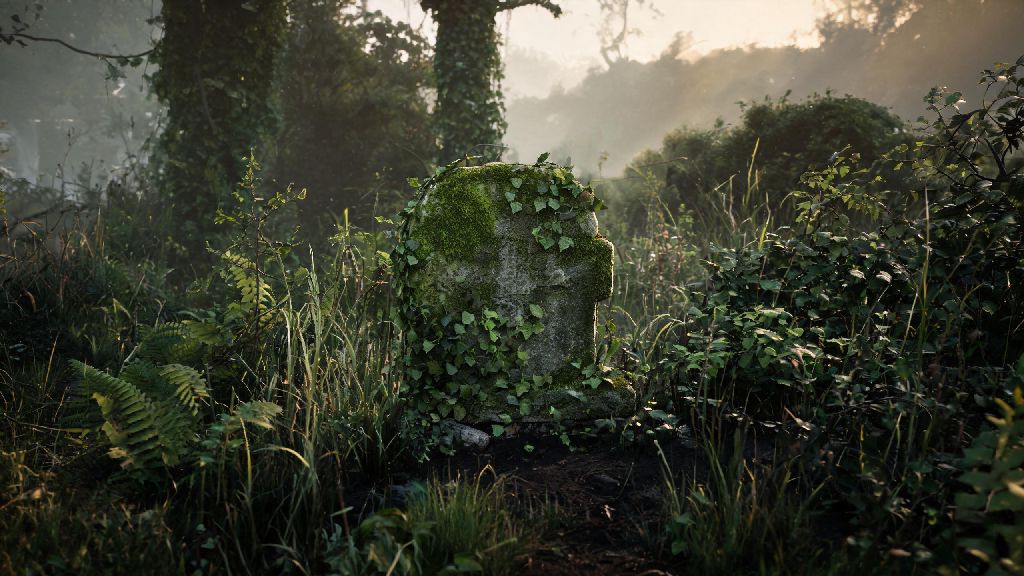
When you dig into underused narrative devices that pack massive emotional and thematic weight, the abandoned tomb metaphor refantazio stands out as one of the most versatile yet underdiscussed tools for storytellers. It draws on universal fears of loss, forgotten histories, and hidden truths, wrapping them in a vivid, sensory frame that sticks with audiences long after they finish a story. Unlike generic metaphor structures that feel overused, this specific refantazio form taps into cross-cultural associations with burial sites, secrecy, and unresolved pasts to make even familiar narratives feel fresh.
Core Symbolic Layers of the Abandoned Tomb Metaphor Refantazio
At its core, the abandoned tomb metaphor refantazio uses the image of a neglected, unmarked tomb to represent unaddressed trauma, suppressed collective memory, or potential that has been locked away and forgotten by the communities around it. Each element of the metaphor maps to a specific thematic beat you can customize for your story, from the overgrown entrance representing how time erases public memory of uncomfortable truths to the hidden treasures inside standing for unresolved stories that deserve to be told. You don't have to stick to literal tomb imagery either; it can be adapted to modern settings, from a boarded-up community center in a small town to a hidden folder on a corporate server that holds evidence of past wrongdoing.
When breaking down its most common symbolic uses, you’ll find three core interpretations that work across almost every genre:
You can also mix small secondary layers into the core interpretation to add depth, as long as they don't distract from the main theme you want to communicate. For example, a tomb representing lost legacy could also hold small hints of the historical figure's personal life that make their story feel more human to your audience.
Practical Tips for Using This Metaphor in Creative Writing
Many new writers make the mistake of leaning too hard on the literal tomb imagery, which can make the metaphor feel cliché if you're writing a modern or sci-fi story that doesn't fit traditional fantasy settings. When you build the abandoned tomb metaphor refantazio into your story, start by asking what core theme you want it to support, then adapt the imagery to match your world's specific context. You want it to feel like a natural part of the narrative rather than a device you dropped in for effect.
If you're looking for examples of how creators adapt familiar symbolic tropes for casual and mainstream audiences, you can look at how indie game studios weave thematic motifs into short, accessible gameplay loops. Many casual game developers who design low-stakes narrative experiences draw inspiration from these same metaphor structures, and you can see this approach used in Rummy334, a casual title that layers subtle narrative motifs into its core gameplay to make routine matches feel more meaningful. You don't need to explicitly state the metaphor to your audience; the best uses leave space for readers to connect the dots themselves, rather than spelling out exactly what the abandoned tomb represents for your characters or theme.
Another common mistake is overloading the metaphor with too many conflicting meanings. If your abandoned tomb stands for both repressed trauma and a hidden hero's legacy and a supernatural threat all at once, your audience will get confused and the emotional impact will be watered down. Pick one core interpretation to build the metaphor around, and you can add small secondary layers that support that core meaning instead of competing with it.
Common Misinterpretations to Avoid
One of the most widespread misinterpretations of the abandoned tomb metaphor refantazio is that it has to be tied to dark, tragic themes exclusively. That's not the case at all; you can frame it as a hopeful device, where opening the tomb lets characters heal old wounds, bring justice to forgotten people, or unlock resources that help their community thrive. You don't have to tie the metaphor to death or literal burial either; as we mentioned earlier, it can be adapted to any setting where something is intentionally locked away and forgotten over time. For example, a high school story could use a sealed time capsule from a group of students who were expelled for protesting school policy as the "abandoned tomb" of the metaphor, with opening it leading to the school correcting its past discriminatory policies.
Another misinterpretation is that the metaphor only works for long-form novels or films. It works just as well for short stories, social media narratives, game side quests, and even marketing copy for brands that want to tell a story of reviving a forgotten product or legacy. The key is keeping the core elements intact: something intentionally hidden, forgotten over time, and meaningful enough that uncovering it changes the status quo for the people involved. If you skip any of these core elements, the metaphor loses its emotional weight and feels like a generic plot device.
How This Metaphor Stands Out From Generic Narrative Devices
Many generic "hidden secret" narrative devices feel predictable because they follow the exact same beats every time: a character finds a hidden thing, it reveals a secret, everyone reacts, and the story moves on. The abandoned tomb metaphor refantazio is different because it comes with built-in emotional weight that audiences already intuitively understand, without you having to spend pages explaining context. Most people already associate abandoned burial sites with respect, secrecy, and the idea that you don't disturb the dead without a good reason, so you can leverage that existing association to build tension faster.
It also offers more flexibility for thematic depth than generic hidden secret devices, because you can shift the tone from horror to hope just by changing what's inside the tomb and how characters respond to discovering it. Unlike overused devices like the "chosen one" trope or the random deus ex machina plot resolution, this metaphor rewards audience attention. Small details you drop early on about the tomb's location, who built it, and why it was abandoned can pay off in big emotional moments later, making the story feel more cohesive and intentional.
It also encourages audience engagement, because many readers will start speculating about what's inside the tomb long before you reveal it, which keeps them invested in the narrative. You can lean into this by dropping small, ambiguous clues that hint at multiple possible interpretations, before revealing the actual meaning to deliver a satisfying payoff that feels earned.
Whether you're writing a fantasy novel, designing a game side quest, or crafting a brand narrative, the abandoned tomb metaphor refantazio offers a flexible, emotionally resonant framework to elevate your storytelling. It taps into universal human experiences of curiosity, grief, and the desire to uncover the truth, so it connects with audiences across different ages, cultures, and mediums. If you take the time to adapt it to your specific narrative context and avoid the common missteps we outlined, it can become one of the most powerful tools in your storytelling toolkit.